
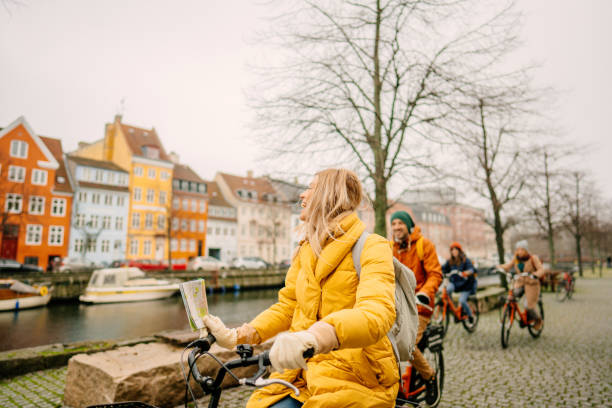

Europe is a destination that changes beautifully with every season. From snow-covered alpine villages in winter to colorful Mediterranean beaches in summer, every month offers a completely different experience. Choosing the right time depends on your travel style, budget, and the experiences you want to enjoy.
This europe travel guide will help you understand the ideal seasons for sightseeing, festivals, family vacations, romantic escapes, and affordable adventures across Europe.
Why Timing Matters for a European Vacation
Europe is made up of diverse countries with different climates, cultures, and tourist seasons. Visiting at the right time can improve your travel experience dramatically. You can avoid overcrowded streets, save money on hotels, and enjoy local traditions more comfortably.
For example, Paris feels magical during spring with blooming gardens, while Switzerland becomes a snowy paradise during winter. Timing also affects transportation costs and attraction wait times.
Key Factors That Influence Your Travel Season
- Weather conditions and local climate
- Tourist crowds and hotel prices
- Seasonal festivals and cultural events
- Outdoor activities and sightseeing opportunities
Europe Travel Guide for Every Season
Every season in Europe has its own charm. Understanding the highlights of each period helps travelers make smarter plans.

Spring in Europe: March to May
Spring is one of the most pleasant times to visit Europe. Cities begin to bloom with flowers, temperatures become comfortable, and tourist crowds are still manageable.
Countries like the Netherlands become famous for colorful tulip fields, while Italy and France offer mild weather perfect for walking tours and café experiences.
A spring trip is ideal for:
- Romantic vacations
- Photography lovers
- Cultural sightseeing
- Budget-conscious travelers before peak summer pricing
Pro Tip: Book flights at least two months early during spring because Easter holidays increase demand in many European countries.
Summer in Europe: June to August
Summer is the peak tourist season across Europe. Beaches in Greece, Spain, and Croatia attract millions of travelers, while major cities stay lively with music festivals and outdoor events.
This season is excellent for travelers who love energetic atmospheres and long daylight hours. However, prices are usually higher and attractions can become crowded.
For example, Santorini offers stunning sunsets during summer, but hotel rates may double compared to autumn months.
Europe Travel Guide for Autumn Adventures
Autumn, from September to November, is often considered the hidden gem of European travel. The weather remains comfortable in many regions, summer crowds disappear, and landscapes transform into shades of gold and orange.
Wine regions in France, Portugal, and Italy become especially attractive during harvest season. Travelers can enjoy peaceful sightseeing while spending less on accommodations.
Cities like Prague and Vienna feel cozy during autumn evenings, making them perfect for couples and solo travelers.
Best Experiences During Autumn
- Wine tasting tours in Tuscany
- Scenic train rides through Switzerland
- Autumn markets in Germany
- Peaceful museum visits without long queues
For example: A traveler visiting Barcelona in October can still enjoy warm weather while avoiding the intense summer crowds.
Winter in Europe: December to February
Winter turns Europe into a magical wonderland. Christmas markets, snowy villages, and festive decorations create unforgettable memories for visitors.
Austria, Germany, and Switzerland are especially popular during winter because of skiing destinations and holiday celebrations. Travelers looking for affordable city breaks can also find excellent deals after New Year celebrations end.
Northern Europe offers another special experience during winter: the chance to witness the Northern Lights in countries like Norway and Finland.
Choosing the Best Time Based on Your Travel Goals
The best season depends on what type of trip you want.
Best Time for Budget Travelers
Late autumn and early spring usually offer cheaper flights and hotel rates. Travelers can save significantly by avoiding summer vacation months.
Best Time for Beach Holidays
June through September is perfect for Mediterranean destinations such as Greece, Croatia, and southern Italy.
Best Time for Cultural Experiences
Spring and autumn are ideal for museum visits, historical tours, and local festivals because temperatures remain comfortable.
Important Travel Tips Before Visiting Europe
Planning ahead can improve your European adventure greatly. Research weather conditions for each country because climates vary between northern and southern Europe.
Keep these simple tips in mind:
- Carry comfortable walking shoes for city tours
- Use trains for scenic and affordable transportation
- Reserve major attractions online in advance
- Travel insurance is highly recommended for international trips
Conclusion
Europe offers unforgettable experiences throughout the year, but the perfect season depends on your travel priorities. Spring brings blooming landscapes and mild weather, summer delivers vibrant festivals and beaches, autumn offers peaceful beauty and lower costs, while winter creates magical holiday memories.
This europe travel guide shows that there is no single perfect month for everyone. Whether you dream of relaxing on a Greek island, skiing in the Alps, or enjoying romantic streets in Paris, choosing the right season helps create the ideal European journey.